web application penetration testing take
The time required for a security assessment depends on multiple factors, including the complexity of the application, testing scope, number of features, and the depth of analysis required. Organizations often ask how long the process will take before beginning a security evaluation because timelines can affect development schedules, product launches, and compliance activities. The duration of web application penetration testing is not fixed, as every application has different architectures, technologies, and risk levels that influence the overall effort.
For a simple web application with limited functionality, the assessment may take anywhere from a few days to one or two weeks. Applications with basic authentication systems, fewer user roles, and minimal integrations generally require less time because security professionals have fewer areas to examine. However, larger applications with complex workflows, payment features, customer data processing, or third-party connections may require several weeks to complete a detailed security review.
The preparation phase is an important factor that influences the timeline. Before testing begins, security teams usually collect information about the application, understand business requirements, define the scope, and identify the systems that need evaluation. Clear communication between the organization and the testing team can reduce delays and help ensure that the assessment starts smoothly. When documentation, access credentials, and technical details are provided quickly, testers can focus more time on identifying security weaknesses.
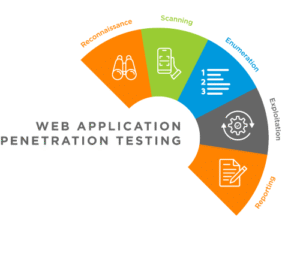
The actual testing phase involves several activities, including reconnaissance, vulnerability identification, manual analysis, exploitation attempts, and validation of findings. Automated tools may help discover common security issues, but skilled testers perform manual assessments to identify complex vulnerabilities that automated scans may miss. The depth of manual testing often determines how long the engagement takes because security experts analyze application behavior, business logic, and possible attack scenarios.
The size and complexity of the application are among the biggest factors affecting the timeline. A small business website with a few pages and limited user interaction may be assessed quickly, while an enterprise-level platform containing multiple modules, dashboards, APIs, and databases requires a much longer evaluation. Applications with advanced features such as account management, file uploads, transaction processing, and role-based permissions need additional testing to ensure that attackers cannot exploit hidden weaknesses.
How long does web application penetration testing take?
The technology stack used in an application can also impact the duration. Applications built with modern frameworks, cloud environments, and customized architectures may require specialized testing approaches. Security teams need time to understand how different components interact and whether vulnerabilities exist across application layers. If an application includes mobile integrations, external APIs, or third-party services, the testing scope may expand further.
Another factor is the testing methodology and objectives. Some organizations require a focused assessment targeting specific areas, while others request a comprehensive review of the entire application. A limited assessment may be completed faster, whereas a full security evaluation covering authentication, authorization, input validation, session management, configuration issues, and business logic vulnerabilities requires more time. The level of assurance an organization wants directly affects the testing schedule.
After vulnerabilities are discovered, security teams need time to analyze and document their findings. A professional report usually includes details about identified risks, affected components, severity ratings, evidence, potential impact, and recommended remediation steps. Preparing a detailed report is a crucial part of web application penetration testing because it helps development and security teams understand how to fix identified issues effectively. Depending on the number of findings and reporting requirements, this stage may take several additional days.
Organizations should also consider retesting timelines after vulnerabilities are fixed. A follow-up assessment verifies whether security issues have been properly resolved and ensures that implemented changes do not introduce new risks. Retesting is often shorter than the initial evaluation but still requires careful validation by security professionals.
Proper planning can help reduce unnecessary delays during the assessment process. Organizations should define testing goals, provide required access, identify key application functions, and coordinate with internal teams before testing begins. A well-prepared environment allows security professionals to perform a thorough assessment while maintaining an efficient schedule.
In general, web application penetration testing can take anywhere from a few days for smaller applications to several weeks for complex enterprise systems. The exact timeline depends on the application size, testing depth, available resources, and security requirements. Although organizations may want faster results, a detailed assessment requires sufficient time to identify meaningful vulnerabilities and provide accurate recommendations. Investing adequate time in security testing helps businesses strengthen their applications, protect sensitive information, and reduce the likelihood of successful cyberattacks.